
When investing in mutual funds, one common question is: Should I invest through SIP or invest a lump sum? The two are often treated as competing investment strategies. But the basic difference is much simpler. A Systematic Investment Plan (SIP) allows you to invest an amount periodically, while a lump-sum investment means investing an available amount in one go. Neither…
Learn Smart. Invest Better.
Mutual Funds
All about mutual funds
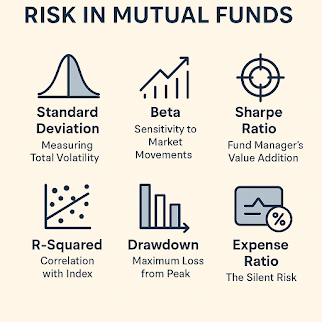
Introduction When it comes to investing in mutual funds, most people focus solely on returns. But understanding mutual fund risk is equally important. Ignoring the risk factors can lead to unexpected losses, especially during volatile markets. Every mutual fund carries some level of risk, but the key is to know how to measure and manage that risk based on your financial goals and risk…

When investing in mutual funds, one common question every investor faces is: Should I choose the Growth option or the Dividend (also called Income Distribution with Capital Withdrawal – IDCW) option? Understanding the difference between these two can significantly impact your wealth creation journey. In this article, we’ll break down the Growth vs Dividend options, their features, tax implications, and how…

When planning your child’s financial future, two popular investment options often come up: Sukanya Samriddhi Yojana (SSY) and Mutual Funds. Both are powerful tools, but they serve different purposes and are suited for different types of investors. In this article, we’ll break down the key differences between the two, helping you make an informed decision based on your financial goals, risk tolerance, and…

Introduction Systematic Investment Plans (SIPs) have become a popular and effective way to invest in mutual funds, offering the benefits of rupee cost averaging and disciplined wealth creation. However, many investors, especially beginners, make common mistakes that can dilute the potential benefits of SIPs. This article will highlight these pitfalls and guide you on how to avoid them, ensuring your…

Mutual funds have emerged as one of the most popular investment avenues in India, offering a wide range of benefits including diversification, professional management, and the potential for high returns. But one of the most common questions new investors ask is: “When is the right time to start investing in mutual funds?” The short answer? As early as possible. Let’s break down…

As a parent, securing your child’s financial future is one of your most important responsibilities. Whether it’s saving for higher education, marriage, or their first business venture, choosing the right investment strategy can help you meet these goals with confidence. With a wide range of options available—from government schemes like Sukanya Samriddhi Yojana (SSY) to mutual fund SIPs—it’s essential to understand what works…

Investing in mutual funds through a Systematic Investment Plan (SIP) is one of the most effective ways to build wealth over time. SIPs offer the advantage of rupee cost averaging and disciplined investing, making them a preferred choice for both new and seasoned investors. However, not all SIPs are the same. There are various types of SIPs catering to different…

Mutual funds are a popular investment option for individuals looking to grow their wealth over time. However, when it comes to redeeming your mutual fund units, it’s essential to consider several factors to ensure you make the most of your investment. A well-planned redemption can help maximize returns, minimize costs, and align with your financial goals. Here are some key…
When evaluating investment returns, two commonly used metrics are XIRR (Extended Internal Rate of Return) and CAGR (Compound Annual Growth Rate). While both measure growth, they serve different purposes and can lead to varying interpretations of an investment’s performance. In this article, we’ll break down the differences between XIRR and CAGR, their applications, and how to choose the right one…